The Resounding Heartbeat of the Community: Brass Bands in Past Gatherings
The echoes of triumphant trumpets, the steady pulse of the snare drum, and the deep resonance of the tuba – these are the sounds that once defined the very essence of community life. For generations, the fanfare music, played with passion and precision by local brass bands, was an inseparable element of Romanian societal gatherings, weaving a rich tapestry of celebration, solemnity, and shared identity. These ensembles were not mere entertainers; they were living embodiments of communal spirit, their music a vibrant soundtrack to the milestones of everyday existence, from the joyous weddings to the somber commemorations, from the bustling fairs to the quiet evenings that brought neighbors together. Their melodies, carried on the wind, not only announced the arrival of important events but also fostered a profound sense of belonging, uniting individuals under a shared auditory experience. The stories of these bands are deeply intertwined with the history of the communities they served, offering a unique lens through which to understand the social fabric, the traditions, and the very soul of past Romanian life.
The Genesis of Community Orchestras: Roots and Repertoires
The emergence and proliferation of brass bands in Romanian communities were not sudden phenomena but rather the organic result of historical, social, and cultural influences. Their origins can be traced back to the late 19th and early 20th centuries, a period marked by burgeoning national consciousness and a growing desire for organized cultural expression at the local level. The military bands, often employing brass instruments, served as a significant early influence, showcasing the power and versatility of these ensembles. As military traditions permeated civilian life, the idea of forming similar musical groups within villages and towns began to take hold.
The Influence of Military and Foreign Ensembles
The presence of military garrisons in various regions of Romania provided a direct conduit for the introduction of brass instrumentation and ensemble playing. Soldiers, often recruited from diverse backgrounds, brought with them musical skills and knowledge acquired during their service. Upon their return to civilian life, some of these individuals formed the nucleus of nascent community bands, sharing their expertise with eager local musicians. Furthermore, interactions with traveling foreign musical troupes and the adoption of Western European musical trends also played a crucial role. The fanfare genre, with its emphasis on bright, powerful brass tones, perfectly suited the need for music that could command attention and invigorate a crowd in open-air settings.
Instrument Acquisition and Early Training
The acquisition of instruments was often a significant undertaking for nascent community bands. In many instances, instruments were purchased through community fundraising efforts, with local dignitaries, landowners, and even ordinary citizens contributing to the cause. Sometimes, instruments were donated by wealthy patrons or even inherited from defunct military units. The process of learning to play these instruments was largely informal, relying on the tutelage of experienced musicians within the band itself, or on the few available music teachers in larger towns. This apprentice-like system fostered a strong sense of camaraderie and shared purpose, as members learned and grew together, their collective dedication to the music being paramount. The repertoire of these early bands was diverse, often reflecting the musical tastes and traditions of the region.
A Blend of Tradition and Adaptation: Repertoire Diversity
The musical offerings of community brass bands were a fascinating blend of traditional folk melodies, popular patriotic songs, and pieces adapted from classical and operatic repertoires. Folk tunes, imbued with the spirit of local customs and celebrations, formed the bedrock of their performances. These melodies, often learned by ear and passed down through generations, were rearranged and orchestrated to suit the specific instrumentation of the brass ensemble, lending them a new, powerful dimension. Patriotic songs, particularly those celebrating Romanian independence and national heroes, held a special place, evoking a sense of collective pride and identity. The enthusiastic rendition of these pieces during national holidays and public gatherings served to reinforce these sentiments. Moreover, brass bands were adept at adapting popular classical and operatic excerpts, transforming them into rousing fanfares that could captivate a broader audience. The sheer joy and accessibility of these instrumental arrangements made them a staple at various events. The ability of these bands to cater to such a diverse range of musical preferences ensured their enduring popularity and integral role in community life.
The Brass Band as a Community Cornerstone: Events and Roles
The presence of a brass band at any community event was more than just an auditory enhancement; it was an intrinsic element that shaped the atmosphere, dictated the tempo of festivities, and solidified the bonds between individuals. These ensembles were the vibrant heartbeat of every significant gathering, their music acting as a catalyst for shared emotions and collective experiences. Their roles extended far beyond simple musical performance, encompassing a spectrum of societal functions.
Weddings and Celebrations: The Sound of Joy and Merriment
Weddings were perhaps the most prominent occasions where brass bands shone. Their arrival signaled the commencement of joyous festivities, their trumpets heralding the union of two families. From the procession of the bride and groom to the lively dances that filled the evening, the band provided a continuous soundtrack of celebration. Traditional wedding marches, lively folk dances, and popular celebratory tunes filled the air, encouraging guests to join in the revelry. The energy and enthusiasm of the band were contagious, setting an infectious mood of happiness and merriment that permeated the entire event. The distinctive sounds of the brass instruments became synonymous with the pinnacle of matrimonial joy.
Festivals, Fairs, and Public Gatherings: Igniting the Festive Spirit
Local festivals and agricultural fairs were vibrant spectacles, and the brass band was an indispensable part of their allure. Their powerful music could be heard from afar, drawing crowds and setting a festive tone. They provided the background music for parades, performed concerts in central squares, and often accompanied local dignitaries during official ceremonies. Their energetic performances helped to create a palpable sense of excitement and community engagement, transforming ordinary gatherings into memorable occasions. The rhythmic pulse of the drums and the soaring melodies of the horns became the very essence of the festive atmosphere, making these events truly unforgettable.
Civic Ceremonies and Commemorations: Echoes of Patriotism and Remembrance
Beyond the realm of celebration, brass bands played a crucial role in civic ceremonies and moments of remembrance. They provided the solemn music for national holidays, parades honoring war heroes, and commemorations of significant historical events. Their renditions of patriotic anthems and elegies instilled a sense of national pride and facilitated collective reflection. The powerful, resonant tones of the brass instruments lent a dignified and solemn gravitas to these occasions, ensuring that important historical moments and sacrifices were remembered and honored. The music served to unite the community in shared respect and remembrance.
The Band as a Social Hub: Fostering Camaraderie and Identity
The brass band was not just a performing ensemble; it was a vital social hub within the community. Rehearsals provided a regular meeting point, fostering friendships and a sense of belonging among its members. The shared dedication to music, the collaborative effort of creating harmonious sounds, and the mutual support extended during performances cultivated deep bonds of camaraderie. For many young men, joining the band was a rite of passage, offering opportunities for skill development, social interaction, and a sense of purpose. The band’s uniform often served as a symbol of local pride, and its members were respected figures within the community, embodying a shared cultural heritage.
The Music Itself: A Symphony of Tradition and Innovation
The sound of a brass band is instantly recognizable, characterized by its bright, piercing timbres and its ability to project powerful, resonant melodies. The specific instrumentation and the arrangements employed by Romanian community brass bands created a unique sonic identity, one that was both rooted in tradition and open to adaptation. Their repertoire was a testament to their versatility, catering to a wide array of moods and occasions.
The Core Ensemble: Instruments and Their Roles
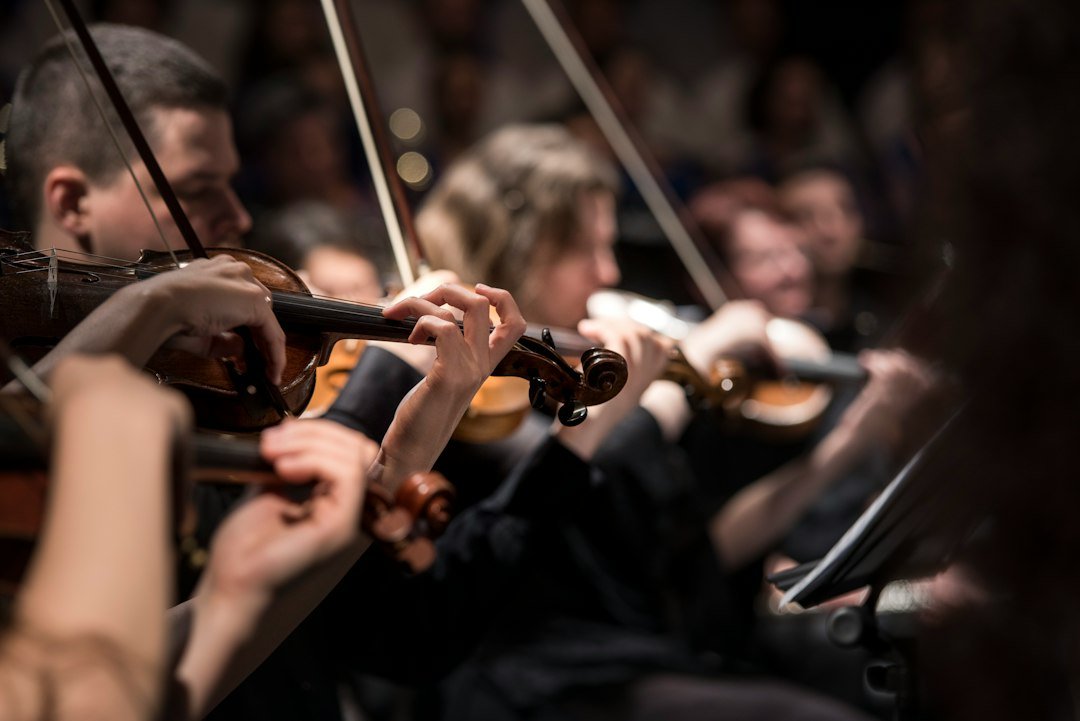
The typical brass band in Romania would have featured a standardized set of instruments, each contributing to the overall richness of the sound. The trumpet section, with its clear, brilliant tone, often carried the main melodies, while the cornets provided harmonic support and counter-melodies. The French horns added a warm, mellow timbre, enriching the mid-range harmonies. The trombones offered a powerful, versatile voice, capable of both melodic lines and strong harmonic foundations. The baritones and euphoniums provided a rich, full sound in the lower-mid register, bridging the gap between the horns and the bass instruments. At the foundation of the ensemble stood the tuba, its deep, resonant tones providing the essential bass line and rhythmic drive. The percussion section, typically comprising snare drums, bass drums, and cymbals, provided the rhythmic backbone, accentuating the musical phrases and adding a dynamic element to the performances. The precise balance and interplay of these instruments were crucial to the band’s success.
Orchestration and Arrangement: Tailoring Music for the Band
The skill of the band director and arrangers was paramount in transforming existing musical pieces into effective brass band compositions. This involved not only assigning melodic lines and harmonies to specific instruments but also adapting the dynamics, articulation, and overall character of the music to suit the capabilities of the ensemble. Traditional folk songs, often originally sung or played on single instruments, were meticulously orchestrated, with each section of the band contributing to the overall texture and impact. Popular marches, waltzes, and polkas were arranged to create a sense of grandeur and excitement, while more solemn pieces were handled with care to convey a sense of pathos and respect. The art of arrangement was a crucial element in the band’s ability to perform a diverse repertoire effectively.
The Repertoire: A Living Chronicle of Community Life
The repertoire of a Romanian community brass band was a reflection of the community itself, a living chronicle of its musical tastes, its history, and its celebrations. While folk music formed the core, the inclusion of patriotic songs demonstrated a strong sense of national identity. The adoption of popular operatic excerpts and classical melodies showed an awareness of broader musical trends and a desire to offer sophisticated entertainment. The band’s willingness to learn and perform new pieces also indicated its dynamic nature and its commitment to staying relevant. This diverse musical palette ensured that the band could adequately serve all aspects of community life, from the most intimate family gathering to the grandest public spectacle.
Challenges and Transformations: The Decline and Legacy
| Perioada | Tipuri de evenimente | Instrumente predominante | Rolul muzicii de fanfară | Impact asupra comunității |
|---|---|---|---|---|
| Secolul XIX | Festivaluri locale, sărbători religioase | Trompete, tubă, tobe, clarinete | Însuflețea atmosfera, marca momente importante | Consolidarea identității culturale și sociale |
| Prima jumătate a secolului XX | Parade militare, târguri, nunți | Fanfare extinse cu suflători și percuție | Însoțea evenimentele oficiale și festive | Creșterea coeziunii comunitare și mândrie locală |
| Perioada interbelică | Serbări câmpenești, adunări populare | Instrumente tradiționale și moderne | Transmiterea valorilor și tradițiilor locale | Promovarea culturii și educației muzicale |
| După al Doilea Război Mondial | Evenimente oficiale, sărbători naționale | Fanfare organizate de instituții publice | Simbol al unității și patriotismului | Întărirea sentimentului de apartenență |
The vibrant era of community brass bands, deeply embedded in the fabric of Romanian life, did not remain static. Like all cultural phenomena, they faced challenges and underwent transformations, eventually leading to a gradual decline in their widespread prevalence. However, their legacy endures, a testament to their profound impact on generations of Romanians.
The Impact of Societal Changes: Modernization and Shifting Tastes
The mid to late 20th century brought about significant societal shifts that inevitably impacted the role of brass bands. Urbanization led to a migration of populations away from rural communities, diminishing the traditional communal structures that had fostered these ensembles. The rise of new forms of entertainment, such as recorded music, radio, and later television, offered more readily accessible and diverse musical experiences, often at the expense of live local performances. The changing musical tastes of younger generations also played a role, as new genres and styles of music gained popularity, often overshadowing the traditional fanfare repertoire. The cost of maintaining instruments and the challenge of recruiting new members also became increasingly difficult.
The Loss of a Musical Tradition: Gaps in Community Life
The decline of brass bands left a noticeable void in the cultural landscape of many Romanian communities. The vibrant music that once announced joyous occasions, solemnized commemorations, and simply brought people together began to fade. The absence of this shared auditory experience meant a loss of a vital element that had fostered community cohesion and a sense of collective identity. The unique social bonds forged through band membership also weakened, and the opportunities for informal musical education and skill development diminished. The silencing of the brass instruments marked a tangible change in the sound and rhythm of community life.
Enduring Echoes and Revitalization Efforts: Preserving a Cherished Heritage
Despite the challenges, the legacy of community brass bands endures, not just in collective memory but also in the efforts to preserve and revitalize this cherished heritage. Many former band members, inspired by their experiences, have worked to pass on their knowledge and skills to younger generations. Some communities have seen a resurgence of interest in brass band music, with new ensembles forming and old ones being revived. Festivals dedicated to brass music, workshops, and historical research are contributing to the preservation of this rich musical tradition. The sounds of the fanfare, though perhaps less ubiquitous than in the past, continue to evoke powerful feelings of nostalgia, pride, and a deep connection to the shared history of Romania’s communities. The stories of these bands serve as a reminder of the profound power of music to unite, celebrate, and shape the very soul of a people.